


Holidays behind bars
Cards, simple decorations, storytelling and games make the holidays more festive for incarcerated people
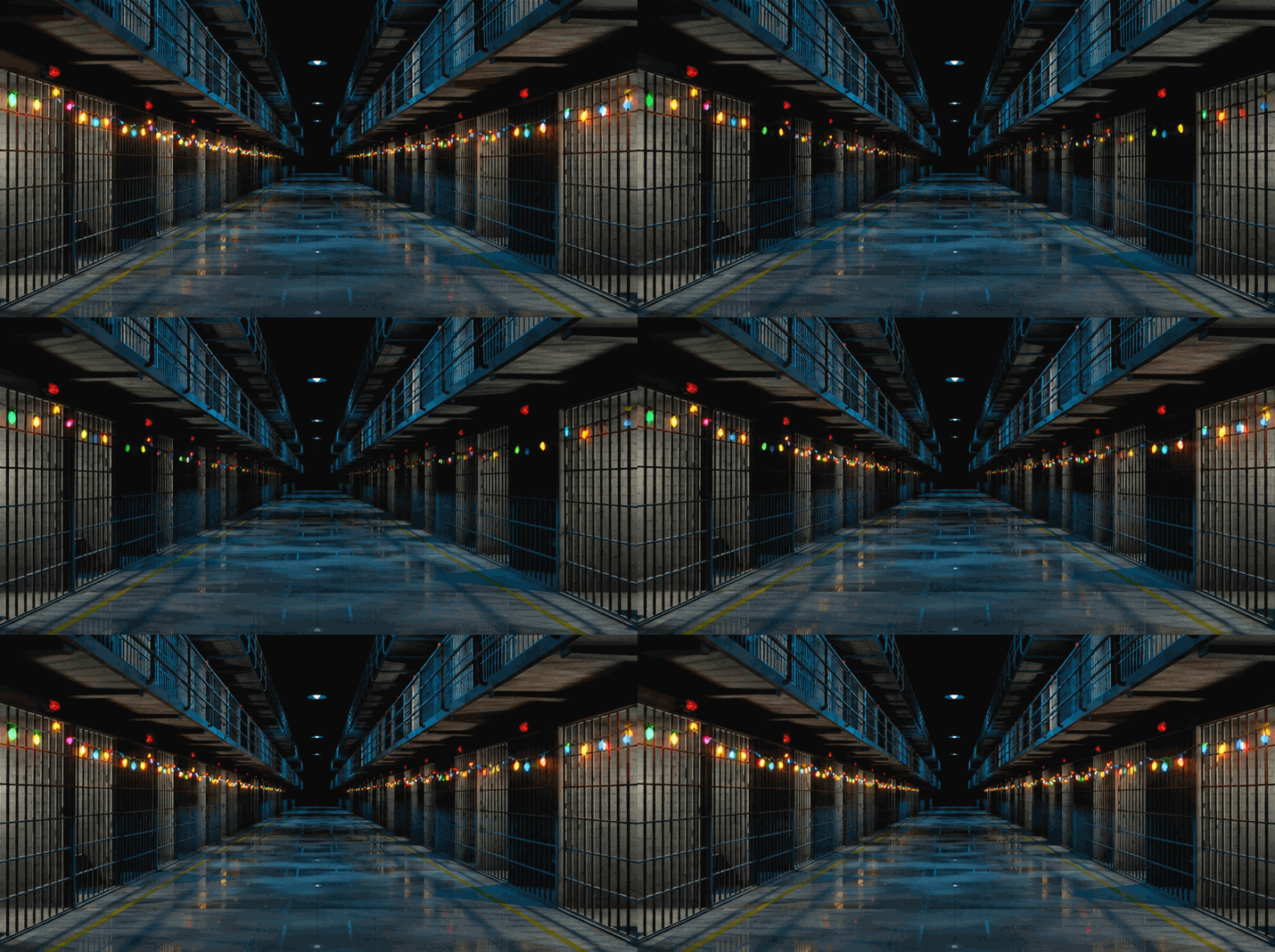
The holidays mean family gatherings, familiar foods, traveling and traditions passed down through generations. Inside the Georgia Department of Corrections (GDC), however, Thanksgiving, Christmas, Easter and New Years Day can bring a complicated mix of nostalgia, grief and hope. For incarcerated people, celebrating means finding unique and often unusual ways to preserve those traditions while remembering one's own identity within a structured environment where daily routines, personal property and contact with loved ones are governed by institutional rules and strict visitation policies.
Send a card
A holiday card may seem like a simple gesture, but inside a Georgia prison, it can carry considerable emotional significance. A card from a child, parent, sibling or friend provides a tangible reminder someone on the outside is thinking about the recipient.
Incarcerated individuals keep these cards year after year, displaying them on locker boxes or desks. Rather than throwing them away after the holidays, they preserve them as personal keepsakes, bringing them out again when the season returns as decoration. In a dormitory, where personal space is institutional gray and white, these familiar colorful messages can make an otherwise institutional living area feel festive.
For individuals whose family relationships have weakened or disappeared over time, the absence of mail can intensify feelings of loneliness and depression. This contrast highlights why seemingly small acts of kindness can matter so much during the holiday season.
Paper decor adds color and warmth to drab walls
In the Georgia Department of Corrections facilities where dormitory living and approved decorating activities are allowed, incarcerated individuals use permitted materials to bring Christmas into their surroundings. Wrapping paper donated by staff, paper chains and handmade ornaments add color to otherwise plain living spaces. Cardboard and acrylic paints become materials for constructing homemade fireplaces and Christmas trees displayed in common areas.
These decorations require imagination and effort, particularly when resources are limited. A cardboard fireplace won't replace the one in a family living room, but building and displaying it helps recreate a familiar holiday atmosphere. Crafting promotes opportunities for cooperation and creativity. Individuals contribute ideas, share materials and work together to transform a common area. For a time, the dormitory becomes more than a place to sleep and follow an institutional schedule; it becomes a shared space for celebrating tradition and commonalities.
Rehashing food memories offer comfort
Holiday food carries memories of family, childhood, and belonging. Thanksgiving dressing, Christmas dinners, and favorite family desserts remind incarcerated individuals of gatherings they can't experience. Within the limits of available food and facility regulations, individuals recreate familiar holiday experiences by sharing permitted foods, discussing family recipes or exchanging stories about meals prepared at home. Even though traditional dishes are unavailable, remembering how it was made or recreating it with available foods can bring the experience closer to home in a place far from home.
Games re-create comradery
Games are another way to preserve holiday customs. Familiar activities can create opportunities for friendly competition, conversation, and laughter. Someone might share a childhood Christmas game, while another introduces a tradition from their own family. These exchanges help build relationships among people who may have different backgrounds. They also create new memories without requiring individuals to abandon the traditions that remain important to them. In this way, traditions connect two parts of life: the home an individual remembers and the relationships they build during incarceration. The setting may have changed, but the desire to share meaningful experiences remains.
For all the comfort holiday traditions can provide, the season can also intensify mental health issues. A father spends Christmas thinking about his children opening presents without him. Thanksgiving may bring memories of family gatherings and an empty seat that represents his absence. Birthdays and anniversaries reopen grief for deceased loved ones or relationships damaged by incarceration.
Scheduling a visit could get complicated during this time of year; double check the procedures in your state
Georgia's visitation procedures make planning family contact particularly important. Seating is always limited in the visitation areas. However, during the holiday season there the uptick in visits means the spots fill quickly. Visitors receive approval and schedule visits in advance, and visits are subject to facility rules and availability. Although GDC visitation occurs on holidays, an incarcerated person cannot assume that family members will be able to visit on a particular date. Each state and even each facility could be different, so make sure you check your state’s regulations before planning a visit.
When family contact does not happen as hoped, disappointment deepens existing feelings of isolation. Seeing others receive cards or hearing them talk about family visits remind those serving time of their own losses. It can potentially devastate an inmate’s mental health.
Don’t force your loved one to put on a happy face
For some, these pressures contribute to sadness, anxiety, irritability or even complete withdrawal. People already experiencing mental health challenges find the season particularly difficult. Others avoid holiday activities altogether because participating brings painful memories to the surface. Recognizing these reactions is important. Not everyone experiences the holidays as a celebration, and individuals shouldn't feel pressured to appear happy when they're struggling emotionally.
Preparing for the holidays as an inmate means anticipating emotional challenges as well as planning activities to distract or celebrate the time. Maintaining contact with supportive relatives when possible, writing letters, exercising, journaling, participating in religious services and spending time with trusted peers helps manage difficult feelings. Seeking support from mental health professionals or chaplains also helps when grief, anxiety or sadness becomes overwhelming. Staff often contributes by communicating schedules clearly, supporting approved recreational and religious activities and making information about available support services accessible.
It is equally important to acknowledge missing family is a natural response to separation. The goal isn’t to suppress sadness or ignore it but recognize it and find healthy ways to process it before it becomes unmanageable or dangerous. Holidays inside prisons demonstrate how people adapt when familiar traditions are no longer easy to maintain.
Traditions in prison won't replace family gatherings or erase the realities of incarceration. However, they do help individuals preserve meaningful parts of their identities, strengthen relationships with friends and create new memories through adapted replications of one's past. Behind the walls, celebrations will be smaller and resources limited, but the desire for connection remains. Sometimes, keeping a piece of home alive requires nothing more than the simplest of items.


Comments